

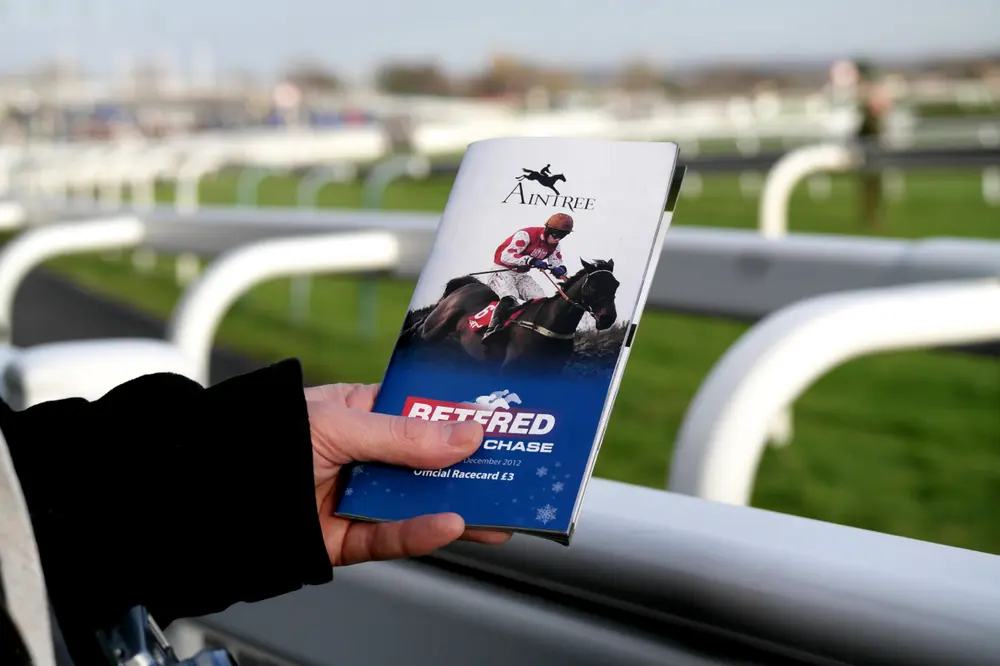
Hey, fellow racegoers! Picture this: the gates are about to spring open, the crowd hums, and somebody beside you flips open a tiny folded card crammed with numbers, letters and abbreviations. Is it a secret code? Nope. It’s a racecard, and once you know how to read it, the whole afternoon makes a lot more sense.
If you’re curious about horse racing in Malaysia but the racecard looks like alphabet soup, you’re in the right place. We’ll go through it piece by piece: the race details, the form figures, weight, draw, going, and what the odds actually say. Let’s break out of the gates.

What is a racecard?
A racecard is a printed (or online) programme for each race meeting. For every race it lists the runners, their riders and the key facts you need to size up the field: how far they’re running, how heavy a load each horse carries, and how they’ve been performing lately.
Layouts differ from one racecourse or website to the next, and some cards use different abbreviations, so check the key printed on your own card. The building blocks below, though, show up almost everywhere.
How do you read the top of the card?
Each race starts with a header. Look for:
- Race number and time, so you know what’s running when.
- Distance, often in metres on Asian cards. Some horses want a sprint, others want to stay the distance.
- Class or grade, which tells you how strong the race is. Moving up in class is usually tougher than dropping down.
- Prize money, a rough hint at the race’s level.
What do the form figures mean?
This is the string of numbers beside each horse’s name, and it’s the first thing most beginners want to decode. Each digit is a recent finishing position:
- 1 to 9: the position the horse finished in.
- 0: finished outside the first nine.
- A dash (-) or slash (/): a break between seasons or a layoff.
- Letters: short codes for things like a fall or a pulled-up run. They vary by card, so check the key.
The most recent run is usually the last figure. So “2-1-3” tells you a horse finished second, then first, then third. A good string suggests a horse in decent shape, but remember that form only describes the past. It doesn’t promise anything about today.
Weight, age and sex: who carries what?
Beside each horse you’ll usually see its age, sex (colt, filly, gelding, horse or mare, often shown as a single letter) and the weight it will carry, including the jockey.
Weight matters in handicap races, where officials adjust the weight to try to level the field. Better horses carry more, weaker ones carry less. Any change from the horse’s last run is worth a look. Even a small difference in weight can add up over a long distance.
What is the draw?
The draw (also called the barrier or stall number) is the gate a horse starts from. On many tracks, a gate close to the inside rail saves ground, especially around bends or in shorter races. On others, it barely matters.
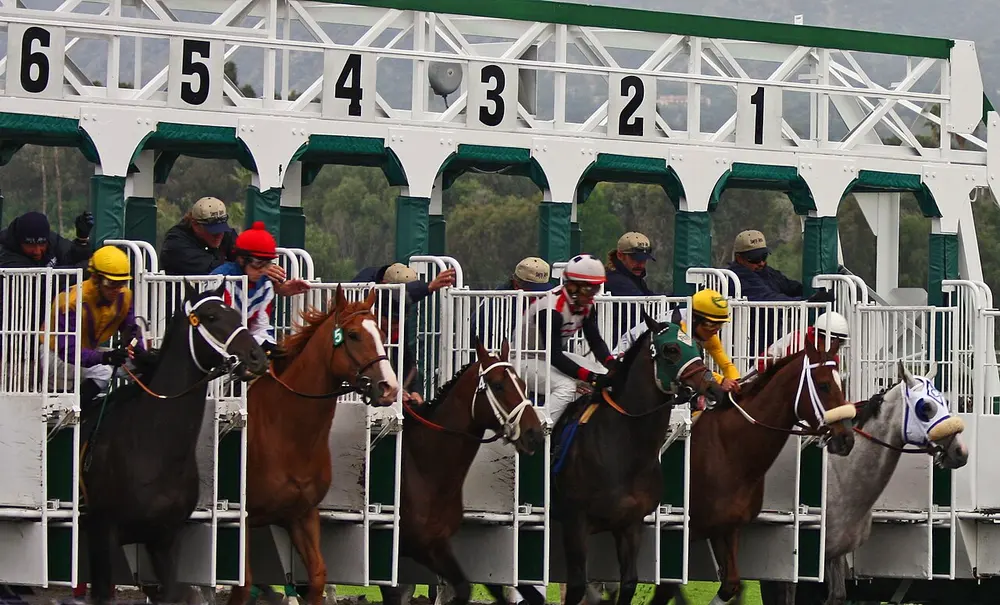

Whether the draw is a big deal depends on the course and the distance, so it’s worth learning how a particular track behaves instead of assuming.
What is “going” and why does it matter?
Going describes the condition of the track surface, ranging from firm and fast to soft and heavy, depending on the venue and the weather. Some horses love a quick surface. Others handle wet, heavy ground much better.
On the racecard, you may see notes about a horse’s previous runs on similar going. Rain can change the surface within hours, so check the latest going report on the day.
Jockey, trainer and equipment
You’ll find the jockey and trainer named for each runner. Strong combinations and in-form stables are worth noticing, but they’re only one clue among many.
Some cards also show equipment such as blinkers, which are used to help a horse focus. A change in gear, or a first-time piece of equipment, is something many followers watch for.
How do you read the odds?
Odds show how the market rates each horse, and what a winning bet might return. It helps to know the system you’re looking at:
- Fixed odds show the price you get when you place the bet.
- Pari-mutuel (tote) betting pools everyone’s stakes, so the final payout depends on how the money was split between the horses.
Either way, odds also tell you a probability the market is implying. For decimal odds, divide 1 by the number. A horse at 4.0 is rated at about 25% (1 ÷ 4), and at 10.0 it’s about 10%. If you add up the implied chances of every runner, the total comes to more than 100%. That extra slice is the operator’s margin, and it’s the same idea we explain in our guide to how 4D odds really work: the game is priced so that the house keeps an edge.
A short price just means the market thinks a horse is likely to win. It does not mean the horse will. Favourites lose all the time.
The same maths applies in esports, where a patch or a roster change can move a price overnight, as we explain in our MLBB betting Malaysia guide.
A simple racecard checklist
Next time you open a card, run through this list:
- Class and distance: is the horse running at a level and over a trip that suits it?
- Recent form: is it in good shape, and how long ago was its last run?
- Weight: has it gone up or down since last time?
- Draw: does the gate help on this track and distance?
- Going: has it run well on similar ground?
- Jockey, trainer and gear: any notable changes?
- Odds: what is the market saying, and what does that probability mean?
Common beginner mistakes
- Treating form as a promise. It’s a history, not a forecast.
- Backing the favourite blindly, or chasing long shots because of the big number.
- Ignoring distance or going, which can matter a lot to a particular horse.
- Raising stakes to chase a loss. The next race doesn’t care about the last one.
- Skipping the budget. Decide what you’re happy to spend before the first race. If you use an online operator, our online casino Malaysia guide explains how to judge one first.
Want to learn more about the numbers?
If the maths side of racing interests you, our explainer on slot RTP and volatility shows how a game’s long-run return and its ups and downs work, which is a handy way to think about betting generally. Browse our horse racing guide for more.
Racing rewards research more than most games do. Poker is another place where preparation shows, and our online poker Malaysia guide explains the rules and hand rankings with a free practice table. For how racing fits into the wider legal picture, see our guide to casinos in Malaysia.
The takeaway
A racecard is just a tidy summary: who’s running, how far, how heavy, how they’ve been going, and what the market thinks. Read it, enjoy the puzzle, and then remember the golden rule of the track: nobody can predict a race, however good their card-reading. Set a budget before you go, treat any spending as the price of a fun day out, and soak up the thrill of the gates opening.